Heavy Duty Palm Leaf Plates: Durable, Eco-Friendly Dinnerware
Looking for reliable disposable plates that actually perform—and leave a light footprint on the planet? Heavy duty palm leaf plates offer an elegant, sturdy, and compostable alternative to plastic and paper disposables. This guide explains what makes them heavy duty, how to choose the right style, how they behave in real events, and how Lericopez supports sustainable hosting.
Quick answer
Heavy duty palm leaf plates are crafted from naturally fallen Areca palm leaves and offer exceptional strength, leak resistance, and beautiful presentation. They are compostable, chemical-free, microwave-safe, and ideal for weddings, catering, BBQs, camping, and restaurants where single-use convenience must meet durability and sustainability.
Why heavy duty palm leaf plates are becoming a top choice
People choose heavy duty palm leaf plates when they need the convenience of disposable dinnerware without sacrificing strength or aesthetics. Unlike thin paper plates that soften or flimsy plastic varieties that crack, heavy duty palm leaf plates are thicker, denser, and less likely to bend or leak under hot, oily, or saucy foods.
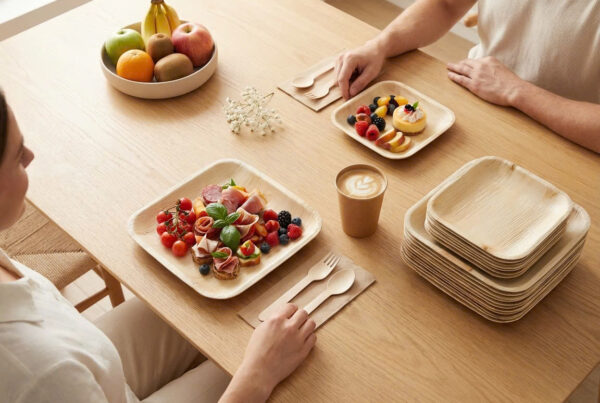
Beyond performance, palm leaf plates are visually appealing: natural grain, warm tones, and handcrafted edges elevate presentation for formal events while remaining practical for casual gatherings. For environmentally conscious hosts in the United States, these plates are a fast-growing way to reduce plastic waste while delivering a premium dining experience.
What makes a palm leaf plate “heavy duty”?
Several attributes determine whether a palm leaf plate qualifies as heavy duty. Consider the following:
- Thickness and density — Heavier plates are cut from thicker sections of fallen Areca leaves and pressed to a firm, dense shape.
- Edge strength and shape — Raised, reinforced rims resist bending when holding heavier portions.
- Finish and craftsmanship — Well-crafted plates have smooth, splinter-free surfaces and consistent shaping that improve durability.
- Leak resistance — Proper pressing and cleaning during production minimize micro-gaps, improving performance with oily or saucy foods.
- Microwave and cut resistance — True heavy duty plates withstand short microwave reheats and resist knife cuts better than thin alternatives.
Premium brands typically highlight these attributes. Lericopez plates, for example, are handcrafted in Vietnam from naturally fallen Areca palm leaves and finished to meet practical event needs while remaining 100% natural and compostable. Learn more about the brand’s sustainability practices on the Lericopez sustainability page.
How heavy duty palm leaf plates perform in real life
Understanding real-world performance is essential when you plan events. Heavy duty palm leaf plates typically handle:
- Hot foods like roasted meats and baked grains without collapsing.
- Oily or saucy dishes for standard serving times (a few hours) without leaking.
- Cutting and serving with utensils without showing immediate punctures.
- Short microwave reheats (check the product guidance), making them more versatile than many disposables.
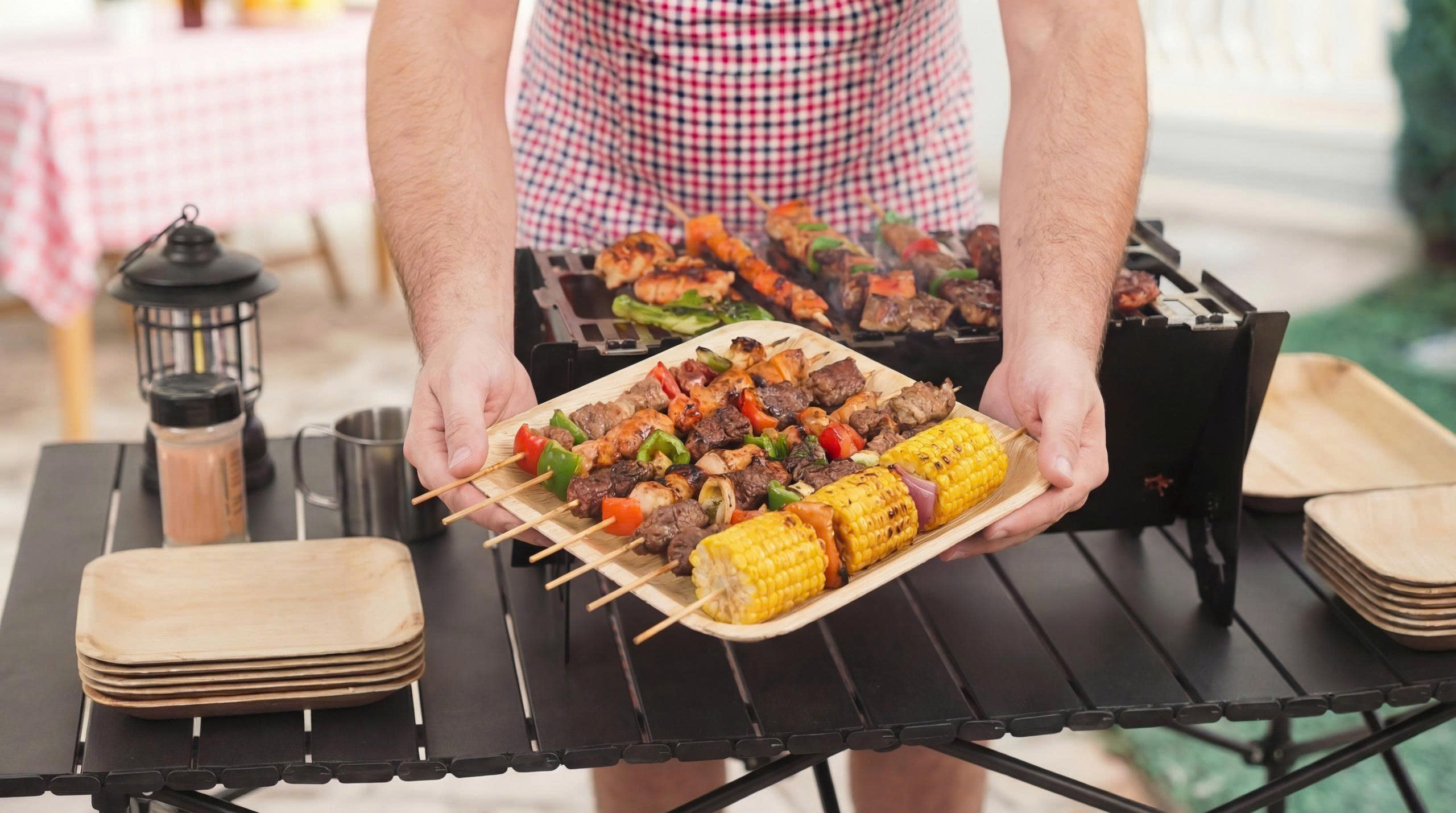
Event planners and caterers often prefer heavy duty palm leaf plates for buffet lines, plated service, and takeout because they present food attractively while reducing waste. For outdoor events such as BBQs and camping trips, their sturdy construction holds up to uneven surfaces and active guests.
Real-use examples and tips
Here are practical examples showing how to use heavy duty palm leaf plates successfully:
- Weddings: Use larger charger-style palm leaf plates as a decorative base and pair with smaller palm leaf dinner plates for a coordinated look that photographs beautifully.
- BBQs and Picnics: Choose plates with a slightly deeper rim to prevent sauces from spilling during transport between serving stations.
- Catering and Restaurants: Stack plates for quick service; heavy duty plates allow servers to carry multiple plates at once with minimal bending.
- Camping: Use sturdy palm leaf plates for meals around the campfire. They are lightweight to pack and compostable after your trip.
Materials and how these plates are made
Heavy duty palm leaf plates are made from fallen Areca palm leaves that would otherwise decompose naturally. The production process emphasizes minimal processing—no chemicals, bleaching, or additives—resulting in a plate that is safe and compostable.
Typical steps include collection of naturally fallen leaves, cleaning, heat-pressing into die-cut shapes, and quality inspection. The pressing process is important for creating density and strength: heavier pressing results in plates that resist bending and leaking. Handcrafted finishing helps preserve the leaf’s natural pattern, giving each plate a unique appearance.
Environmental credentials to look for
When evaluating heavy duty palm leaf plates from different suppliers, check for:
- Confirmation that leaves are naturally fallen (no tree cutting).
- Information about chemical-free processing (no glues, bleaches, or coatings).
- Compostability statements—whether home compostable or requiring industrial composting.
- Transparent supply-chain and fair-labor practices.
For more background on why palm leaf plates are an eco-friendly choice, including lifecycle notes, visit Lericopez’s sustainability page.
Buying guide: choose the right heavy duty palm leaf plates
Not all palm leaf plates are created equal. Use this buying guide to match product features to your event needs.
Size and shape
Standard options include small (6–7 inch) appetizer plates, medium (9–10 inch) dinner plates, and larger platters. Choose plates with deeper rims for saucy dishes and flatter plates for plated desserts. Round plates are classic; square or oval shapes can suit modern or rustic aesthetics.
Thickness and edge style
Thicker plates (often marketed as heavy duty) have stronger rims and less flex. Look for plates described as heavy, premium, or reinforced. Edge design can be flat, rolled, or slightly flared—edges that curve upward help contain liquids and make handling easier.
Supplier reliability and packaging
Buy from brands that disclose manufacturing practices, quality control measures, and shipping packaging. Good packaging protects plates during transit and should align with your sustainability goals (e.g., recyclable or compostable packaging).
What to compare
- Thickness (gauge or descriptive terms like “heavy duty”)
- Plate dimensions and rim depth
- Stated microwave and cut resistance
- Compostability details (home vs commercial)
- Reviews and event photos for real-life performance
Common buying mistakes to avoid
- Choosing the thinnest or cheapest option and expecting heavy-duty performance.
- Buying an attractive shape that doesn’t hold sauces well for your menu.
- Not checking whether plates are home compostable if you plan to compost at home.
- Overlooking supplier transparency about materials and production ethics.
Comparison table: palm leaf plates vs other disposable options
| Attribute | Heavy Duty Palm Leaf Plates | Paper Plates | Plastic Plates | Bagasse (Sugarcane) Plates |
|---|---|---|---|---|
| Strength & Durability | High: sturdy, cut-resistant | Low–Medium: soggy with liquids | Medium–High: can crack; varies | Medium: good for most foods |
| Leak Resistance | High for short service periods | Low unless coated (then not compostable) | High (non-porous) | Medium–High |
| Microwave Safe | Often yes for short times | Usually yes | Varies (watch for BPA) | Usually yes |
| Compostability | Home or industrial compostable | Biodegradable if uncoated; coated not compostable | Not compostable (unless specialized) | Industrial compostable; some home compost |
| Aesthetic | High: natural, premium look | Low–Medium | Low–Medium | Medium, plain white look |
| Best for | Weddings, catering, events, outdoor dining | Low-budget casual events | Fast food and takeout where reuse isn’t possible | Corporate trays, catering, eco-aware events |
How to use, store, and compost heavy duty palm leaf plates
Correct use and disposal ensure the best experience and the right environmental outcomes.
Serving and reheating
Serve hot foods directly on the plates without concern for short exposure to heat. For microwave reheating, avoid extended heating or direct contact with open flames. If reheating very oily or high-water-content dishes, use moderate power and brief intervals to avoid excessive steaming.
Storage tips
Store plates in a cool, dry place away from direct sunlight and moisture. Keep them in original packaging until needed to prevent dust and damage. For long-term storage in humid climates, consider silica packets or climate-controlled storage to preserve quality.
Composting guidance
Heavy duty palm leaf plates are compostable and will break down faster than plastics. Two common disposal routes:
- Home compost — If your plates are labeled home compostable, break them into smaller pieces to speed breakdown and mix with green waste and soil.
- Commercial compost — Many municipal and commercial composting facilities accept palm leaf products; follow local guidelines for food-contaminated items.
Time to degrade varies by conditions: active compost piles will break them down in a few months, while cooler or drier environments take longer. Avoid placing plates in recycling bins—these are organic materials, not recyclable paper or plastic.
Cleaning and reusing
Some heavy duty palm leaf plates can be gently wiped and reused once or twice if not heavily soiled, but they are designed primarily for single-use compostability. If you intend to reuse, avoid cutting directly on the plate and hand wash promptly to avoid staining and warping.
Who should choose heavy duty palm leaf plates?
Heavy duty palm leaf plates are an excellent fit for several buyer profiles:
- Event planners and caterers who want disposable options that look like fine tableware.
- Couples planning weddings or rehearsal dinners seeking sustainable choices without sacrificing elegance.
- Restaurants and pop-ups that need compostable serviceware for takeaway or plated service.
- Outdoor enthusiasts and campers who want lightweight, sturdy, and compostable tableware.
- Home hosts who prefer easy cleanup with minimal environmental impact.
If your priority is reusable over single-use for every meal, ceramic or washable dinnerware is a better fit. But for one-off events, catering, and outdoor use where reuse isn’t practical, heavy duty palm leaf plates strike the right balance between performance and sustainability.
Why some hosts still hesitate—and how to respond
Common objections include worries about durability, cost, and composting logistics. Here’s how to address them:
- Durability concerns — Choose thicker, heavy duty options and test with the menu items you plan to serve. Read reviews from similar events.
- Cost — While premium palm leaf plates may cost more than cheap paper plates, they often replace multi-piece disposables and reduce cleanup labor, providing value in presentation and convenience.
- Composting logistics — Confirm whether plates are home compostable or accepted by local composting facilities. Provide clear signage or disposal options at events to avoid contamination.
Where to buy and why Lericopez is a strong option
Lericopez focuses on premium, sustainably made palm leaf tableware handcrafted in Vietnam from naturally fallen Areca palm leaves. The brand emphasizes natural, chemical-free processing, sturdy performance, and elegant presentation—matching the needs of hosts who want to save the planet and host beautifully.
For more on how Lericopez approaches eco-friendly production and materials, see their sustainability page. You can also find visual inspiration and real-event photos on Lericopez’s Pinterest profile and follow updates via Lericopez’s Facebook page.
When comparing suppliers, evaluate plate thickness, rim depth, customer reviews, and transparency about compostability and sourcing. Lericopez provides detailed product descriptions and event-ready imagery that help you select the right plate style for your occasion.
Checklist: choosing heavy duty palm leaf plates for your event
- Match plate size and rim depth to menu (sauces vs dry foods).
- Confirm thickness and ask for product photos or samples if possible.
- Check compostability labeling—home or industrial—and local disposal options.
- Consider packaging and shipping protection for large orders.
- Review supplier reviews and event photos to verify real-world performance.
Frequently asked questions
Are heavy duty palm leaf plates safe for hot food?
Yes. Heavy duty palm leaf plates are safe for hot foods and short microwave reheating. Avoid prolonged exposure to very high heat or open flames. Always follow the manufacturer’s guidance on microwave use.
Can I compost palm leaf plates at home?
Many palm leaf plates are home compostable, but it depends on the product and your compost conditions. If labeled home compostable, break plates into pieces to speed decomposition and mix them into an active compost pile. If unsure, use a municipal or commercial composting facility if available.
Will these plates hold saucy dishes without leaking?
High-quality heavy duty palm leaf plates are designed to be leak-resistant for standard service periods. For very wet or long-duration buffet setups, choose plates with deeper rims or use liners (such as a small disposable bowl) for particularly saucy items.
Can I cut food on these plates?
Yes, heavy duty palm leaf plates resist light cutting from utensils. However, using sharp knives repeatedly may damage them; for heavy cutting tasks, place food on a cutting board first where possible.
How do they compare in cost to paper or plastic plates?
Palm leaf plates typically cost more than basic paper plates but offer superior durability and presentation. Consider the value of reduced waste, better guest experience, and less cleanup when comparing costs. When bought in bulk for events, price differences often narrow.
Final notes and next steps
Heavy duty palm leaf plates are a practical, beautiful, and planet-friendly choice for hosts who need disposable convenience without the downsides of plastic or flimsy paper. They work well for weddings, catering, restaurants, outdoor events, and everyday gatherings where durability and compostability matter.
If you want an elegant, reliable option that supports sustainable sourcing, explore Lericopez’s range and their sustainability practices for full product details. Find inspiration and real-event photos on Lericopez’s Pinterest profile and stay connected via Lericopez’s Facebook page for updates and tips on hosting beautifully.
Still undecided? Order a small sample pack to test plate performance with your menu before committing to a large event—hands-on testing is the best way to confirm fit and feel.