Natural Palm Leaf Plates: How to Host Beautifully and Reduce Waste

Choosing natural palm leaf plates brings style, strength, and sustainability to events large and small. If you care about the look of your table and the planet, palm leaf plates are a premium disposable option that performs like dinnerware while composting like garden waste.
Quick summary
Natural palm leaf plates are handcrafted from fallen Areca palm leaves. They are sturdy, leak-resistant, microwave-safe, and fully compostable—an elegant, practical alternative to plastic and paper plates for weddings, catering, restaurants, and outdoor gatherings.
Why natural palm leaf plates outshine plastic and paper
When planners, hosts, and chefs think about disposable tableware, two priorities usually dominate: presentation and performance. Natural palm leaf plates bridge both priorities. Made from naturally shed Areca palm leaves, these plates offer a warm, textured look that elevates any table setting without the visual or environmental drawbacks of plastic or chemically coated paper.
Beyond aesthetics, the practical benefits are strong: palm leaf plates can handle hot and oily foods, stand up to cutting with a fork or knife, and resist leaks. They meet the real-world needs of busy events while offering a clear end-of-life advantage—compostability.
How palm leaf plates are made and why that matters
Authentic palm leaf plates start from fallen Areca palm leaves collected by hand. Skilled artisans clean, steam, press, and shape the leaves into durable plates without adhesives, chemicals, or plastics. This handcrafted production is typically done in local communities where the palms grow, providing fair work and preserving traditional skills.
Key attributes of the process:
- Raw material: naturally shed Areca palm leaves, no cutting of live trees required.
- Handcrafted forming and finishing—no chemical coatings or bonding agents.
- Thermal pressing for sturdy, food-safe surfaces that won’t crumble under normal use.
Because the plates are made from a single natural material, they break down in compost or home soil over weeks to months depending on conditions, returning nutrients to the earth.
Performance: what to expect at a party or restaurant
Not all disposable plates are created equal. Natural palm leaf plates perform like quality dinnerware in everyday service and special events. Expect the following:
- Strength: rigid enough for heavy foods like roasts and layered entrees.
- Leak resistance: tightly pressed leaf fibers reduce soaking through with gravies and sauces.
- Cut resistance: firm edge resists tearing when using knives and forks.
- Heat tolerance: safe for hot food service and short microwave use for reheating.
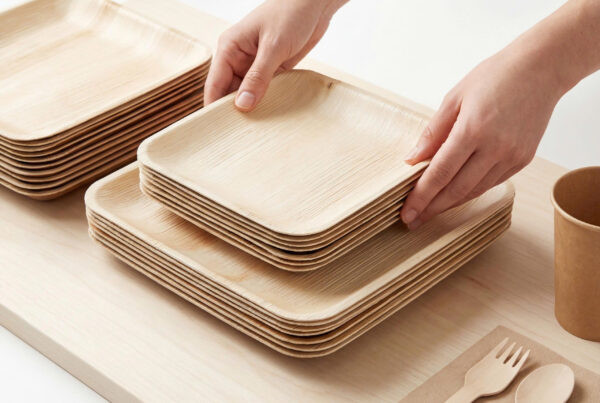
- Natural finish: each plate has unique grain and color variation—ideal for upscale, rustic, or nature-inspired tablescapes.
These qualities make palm leaf plates suitable for catering, weddings, holiday dinners, restaurants offering eco-friendly disposable options, and outdoor activities like camping and BBQs where dishwasher access is limited.
Comparison: natural palm leaf plates vs. other disposable options
Below is a practical table comparing common disposable tableware across attributes that matter to hosts and buyers.
| Attribute | Natural Palm Leaf Plates | Plastic (PET/PS) | Paper (coated) | Bamboo or Bagasse |
|---|---|---|---|---|
| Material source | Fallen Areca palm leaves (renewable) | Fossil fuels (non-renewable) | Wood pulp + chemical coating | Fast-growing grasses or bamboo |
| Compostability | Home and industrial compostable | Not compostable (recyclable in limited cases) | Often needs industrial composting if coated | Usually compostable |
| Leak/Grease resistance | High | High | Variable—often low without coating | High |
| Sturdiness | High—cut-resistant | High | Low to medium | Medium to high |
| Aesthetic | Natural, premium, unique | Plastic look | Plain or printed | Natural but uniform |
| Carbon footprint | Low (local, handcrafting) | High | Moderate | Moderate |
How to read the table
If your top priorities are presentation and end-of-life impact, natural palm leaf plates win. For cost-sensitive, high-volume single-use needs where aesthetic is not important, traditional disposable plastic may be cheaper—but at a much higher environmental cost.
Buying guide: how to choose the right palm leaf plates
Shopping for natural palm leaf plates means looking beyond price. Here are practical criteria and tips to choose the best option for your event.
Size and shape
Decide based on menu and service style. Common choices:
- 6–8 inch appetizer plates for starters and desserts
- 9–10 inch salad or lunch plates
- 10–12 inch dinner plates for main courses
- Rectangular or bowl-shaped options for shared platters or sides
Thickness and firmness
Look for thicker gauges for heavy or saucy foods. If you plan to serve cutting-required dishes, choose plates labeled as cut-resistant or heavy-duty. For buffet finger foods, a thinner plate can be acceptable and more economical.
Edges and form
Raised rims help contain sauces. Bowled or slightly cupped plates are best for pastas, stews, or anything with liquid. Flat plates work well for plated entrées and salads.
Certifications and sourcing
Ask whether the plates are made from naturally fallen leaves and whether the producer follows fair labor practices. Certifications can vary; prioritize transparency from the seller. Lericopez describes its sustainable production process and sourcing—learn more on our sustainability page.
Packaging and delivery
Choose options with minimal plastic packaging where possible. For event planners, check lead times and minimum order quantities. If you need different plate sizes, ordering sample packs first can help you confirm look and function.
Practical use cases and styling ideas
Natural palm leaf plates fit many occasions. Here are concrete scenarios and styling tips to help you decide when to use them.
Weddings and receptions
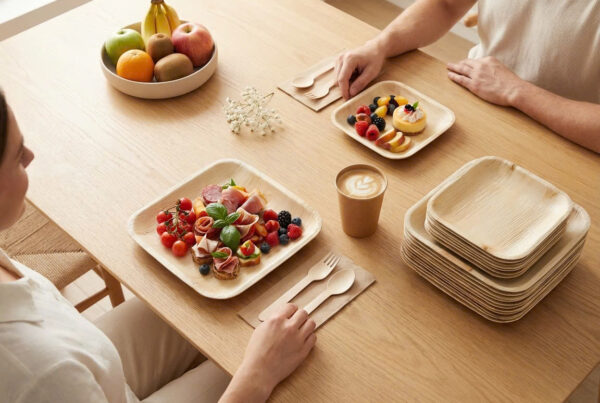
Use palm leaf plates for rustic, boho, garden, or eco-friendly weddings. Pair them with linen napkins, matte gold cutlery, and simple greenery for an elegant look that photographs beautifully. Their unique grain adds visual depth without extra decor.
Catered events and restaurants
Caterers appreciate palm leaf plates because they reduce cleanup time while maintaining presentation standards. Restaurants offering takeout for events can use palm leaf plates for sustainable single-use service with an upscale feel.
Outdoor gatherings: camping, BBQs, picnics
Durability and heat resistance make palm leaf plates ideal for outdoor cooking. They won’t flex or spill as easily as thin paper plates, and composting after the event keeps campgrounds cleaner.
Holiday dinners and family gatherings
Hosters who want less cleanup without sacrificing style will find these plates useful. They withstand hot dishes, slicing, and seconds—perfect when you want to focus on guests rather than dishes.
Care, disposal, and composting best practices
Understanding how to care for and dispose of palm leaf plates ensures you get the full sustainability benefit.
Short-term cleaning and reuse
Palm leaf plates are sturdy enough for light rinsing and short-term reuse if handled gently. Avoid prolonged soaking; if you plan to reuse, hand-wash quickly and store dry. Reuse can be practical for low-grease foods between courses.
Composting at home vs. industrial
Most natural palm leaf plates compost well in home compost systems. Break larger plates into smaller pieces to speed decomposition. In municipal systems, they are accepted in many organics streams, but check local rules. When composting at scale, keep plates separated from heavy contaminants like grease-heavy plates if your local facility restricts such waste.
Disposal tips
- Scrape excess food before composting—no need to pre-wash.
- Break plates into smaller pieces to increase surface area and speed natural decomposition.
- If compost isn’t available, they can be disposed of in general waste and will still biodegrade faster than plastics, though composting is preferred.
Common objections answered
Hosts often hesitate because of cost, durability concerns, or availability. Here are straightforward responses to common questions.
Are palm leaf plates worth the price?
They are generally pricier than cheap paper plates but provide a superior presentation and performance. For events where appearance and reduced environmental impact matter, the higher per-unit cost is offset by the value of less cleanup, fewer breakages, and better guest experience.
Do they leak or fall apart with hot foods?
Quality palm leaf plates are press-molded and leak-resistant. They handle hot, oily, and sauced foods well for the duration of typical service. Look for reputable suppliers and heavier weights for extra assurance.
Can I microwave them?
Yes, most palm leaf plates are microwave-safe for short reheating. Avoid extended microwaving or using them in high-heat ovens.
How to style palm leaf plates for a memorable table
The natural texture of palm leaf plates pairs beautifully with simple, thoughtful styling. Here are quick styling ideas:
- Minimal rustic: raw linen napkins, twine, and sprigs of eucalyptus.
- Modern elegant: matte black cutlery, white linen, and a single green leaf.
- Boho garden: mismatched glassware, wildflower centerpieces, and wooden serving boards.
Because each plate has natural variation, use that uniqueness to create a relaxed, curated look rather than a perfectly uniform table.
Where to buy and what to ask sellers
Buy from brands that share sourcing details and production practices. Ask about:
- Whether leaves are naturally fallen
- Quality control measures for thickness and leak resistance
- Packaging materials and minimum order quantities
- Lead times for large event orders
Lericopez offers premium palm leaf plates handcrafted in Vietnam from fallen Areca palm leaves. For details about our sustainable practices and eco-credentials, visit our sustainability page here: Sustainability & Eco-Friendly Palm Leaf Plates. See lifestyle and event inspiration on our Pinterest profile: Lericopez on Pinterest, and follow updates on our Facebook page for new styles and tips.
Decision checklist: are natural palm leaf plates right for your event?
Use this mini checklist before ordering:
- Do you want a premium, natural presentation?
- Will you serve hot or saucy foods requiring sturdier plates?
- Is compostability important for your waste plan?
- Are you willing to invest slightly more for better aesthetics and lower environmental impact?
If you answered yes to most items, natural palm leaf plates are an excellent choice.
FAQ
Are natural palm leaf plates safe for food?
Yes. Authentic palm leaf plates are food-safe because they are formed from natural leaf fibers without chemical additives or plastic coatings. They are BPA-free and free of synthetic bonding agents when produced correctly.
How long do palm leaf plates take to compost?
Composting time varies with conditions. In a home compost pile with good moisture and microbes, expect full breakdown in several weeks to a few months. In cooler, drier conditions it can take longer. Industrial composting can accelerate the process.
Can palm leaf plates be used for oily or saucy foods?
Yes. Pressed palm leaf plates are naturally grease-resistant and perform well with oily or saucy dishes. For extremely liquid-heavy applications, choose cupped or bowl-style plates to avoid spills.
Do palm leaf plates come in different shapes and finishes?
They do. Options include round, square, rectangular, and bowl forms. Finishes range from smooth pressed surfaces to more rustic, textured looks. Choose based on event style and functional needs.
How should I store palm leaf plates before use?
Store plates in a cool, dry place away from moisture and direct sunlight. Keep packaging sealed until needed to preserve their shape and prevent warping.
Final thoughts
Natural palm leaf plates are an elegant, practical, and planet-friendly choice for anyone who wants disposable convenience without compromising on style or sustainability. They perform well for a wide range of events—from backyard barbecues to high-end weddings—while offering a clear environmental advantage over plastic and heavily coated paper products.
When choosing plates, prioritize authentic sourcing, durability, and packaging. If you’re looking for a premium option that supports sustainable practices and beautiful presentation, explore Lericopez’s collection and learn more about our processes on our sustainability page: Sustainability & Eco-Friendly Palm Leaf Plates. For design ideas and customer setups, follow us on Pinterest and check updates on our Facebook page.
Hosting with natural palm leaf plates lets you save time, reduce waste, and present a table that feels intentional and refined—without washing a sinkful of dishes afterward.
Author: Lericopez — Save the planet, host beautifully.