Organic Palm Leaf Plates: A Practical Guide to Beautiful, Compostable Dinnerware

If you want disposable dinnerware that looks elegant, performs reliably, and returns to the earth naturally, organic palm leaf plates are one of the best options. In this guide you’ll learn what makes organic palm leaf plates different, how they perform in real hosting situations, what to compare before buying, and how Lericopez brings premium, handcrafted Areca palm plates to eco-conscious hosts across the United States.
Quick answer
Organic palm leaf plates are single-use or limited-use plates made from naturally fallen Areca palm leaves. They are 100% natural, compostable, free of chemicals and BPA, sturdy, and leak-resistant—ideal for weddings, BBQs, catering, holidays, restaurants, and camping when you want convenience without plastic waste.
Why choose organic palm leaf plates?
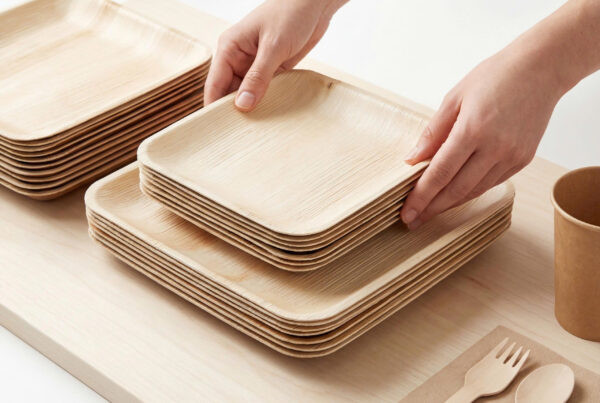
Choosing organic palm leaf plates means replacing plastic and coated paper disposables with dinnerware made from a renewable, fallen-leaf resource. The leaves are collected after they drop, cleaned, and heat-pressed into plates—no adhesives or chemicals required. That natural process keeps the plate composition simple and compostable while preserving the leaf’s unique grain and color variation for an attractive, rustic presentation.
Practical benefits include leak resistance, cut resistance, and surprising sturdiness. Unlike thin paper plates that soften with sauce or plastic plates that end up in landfills, organic palm leaf plates hold up to hot foods and gravies and can be microwaved for short reheat times. For hosts who care about aesthetics and sustainability, they provide an elegant, low-waste solution.
Materials and manufacturing: what “organic” and “Areca” mean
When we say organic palm leaf plates, we highlight two things: the natural origin of the raw material and the absence of chemical additives in processing. Most premium palm leaf plates—including Lericopez products—are made from Areca palm leaves. These leaves fall naturally from Areca trees in tropical regions like Vietnam and India.
The manufacturing process is simple and low-impact: workers collect fallen leaves, sanitize them with water, then press them into shape using heat and pressure. No bleaching, no synthetic binders, and no petroleum-based coatings are necessary. That simplicity matters for both environmental impact and the plate’s compostability.
Quality attributes to expect
- 100% natural, compostable material
- BPA-free and chemical-free processing
- Microwave-safe for reheating short periods
- Leak-resistant for oily or saucy foods
- Cut-resistant when using forks and knives
- Sturdy feel comparable to thick paper or thin disposable plastic
How organic palm leaf plates perform in real events
One of the most common questions people search for is whether palm leaf plates are practical for specific events. They are versatile: from formal wedding receptions to casual backyard BBQs, these plates combine visual appeal with reliable performance.
Consider these typical scenarios:
Weddings and catered events
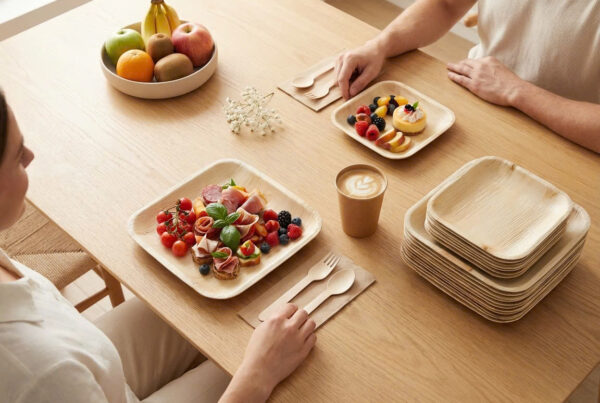
For weddings, presentation matters. The natural grain of palm leaf plates adds an upscale, rustic look without the cost and clean-up of ceramic. Because plates are made by pressing whole leaves, each plate has a unique pattern—an aesthetic advantage over uniform paper or plastic. They also support caterers who want a compostable option to simplify waste management.
Outdoor parties, camping, and picnics
For outdoor use, sturdiness and leak resistance are essential. Palm leaf plates hold up to burgers, ribs, and saucy salads without sagging. They’re also heat-resistant and can handle hot foods straight from the grill. After use, plates can be composted if local facilities accept plant-based disposables, or disposed of in green waste where available.
Restaurants and food service
Food-service operators can use palm leaf plates for takeout, food festivals, or special events where sustainable packaging matters to customers. They provide a premium look without the maintenance of reusables, and they align with sustainability programs that many diners expect today.
Comparison: organic palm leaf plates vs common alternatives
To choose the right disposable dinnerware, compare performance, environmental impact, appearance, and cost. The table below summarizes key points to help you decide.
| Attribute | Organic Palm Leaf Plates | Paper Plates | Plastic Plates | Bamboo Plates |
|---|---|---|---|---|
| Material source | Fallen Areca palm leaves (renewable) | Pulp from trees (processed) | Petroleum-derived | Bamboo fiber or pressed bamboo |
| Compostability | Commercially & home compostable in many cases | Often compostable unless coated | Not compostable, recyclable depending on type | Biodegradable/compostable if uncoated |
| Sturdiness | High; holds hot and saucy foods well | Varies; can soften with moisture | High; strong but single-use plastic | Good; depends on thickness |
| Aesthetic appeal | High; unique natural grain | Low to medium; plain white or printed | Low to medium; varied colors | Medium to high; natural look |
| Heat resistance | Microwave-safe for short reheats | Some are microwave-safe | Varies; some melt | Generally microwave-safe |
| Typical use cases | Weddings, parties, catering, camping | Casual gatherings | Fast-food, parties | Parties, eco-minded events |
How to choose the right palm leaf plate for your event
Not all palm leaf plates are identical. Use the following criteria when selecting plates for your event to match performance and presentation needs.
Size and shape
Consider the menu. Dinner-size plates (9–10 inches) are standard for main courses; smaller plates work for appetizers and desserts. Some brands also offer compartment trays useful for buffet lines or food trucks.
Thickness and weight
Thickness affects sturdiness. Thicker plates handle heavier foods and reduce bending when stacked. If you’re serving stews or saucy dishes, choose heavier plates to avoid leaks or sagging.
Finish and appearance
Look for uniform pressing and minimal surface blemishes. Natural variations are normal and desirable, but consistent quality ensures a professional look for events like weddings and corporate catering.
Certifications and processing claims
Check for clear statements that plates are chemical-free and compostable. Lericopez emphasizes a natural, chemical-free processing approach—an important factor if you want to avoid coatings or additives.
Common objections and real-world answers
Buyers often have practical concerns before switching to palm leaf plates. Here are common objections, with straightforward answers based on experience and product characteristics.
“Will they leak or fall apart with saucy foods?”
High-quality palm leaf plates are heat-pressed to create a dense surface that resists leaks. For very liquid dishes, use slightly deeper plates or bowls. Avoid prolonged soaking; these are designed for serving and short reheats rather than long-term liquid immersion.
“Are they sanitary and safe for hot food?”
Yes—when produced by reputable suppliers, plates are sanitized during processing. They are free from BPA and chemical coatings and safe for hot foods and short microwave reheating. Always check product care guidelines for maximum microwave times.
“How do I compost them after an event?”
If you have a municipal composting program that accepts plant-based disposables, send them there. Otherwise, they can be added to home compost piles—cut into smaller pieces to speed decomposition. You can also contact local composting facilities to confirm acceptance guidelines.
How to use and care for palm leaf plates at events
Using palm leaf plates is simple, but a few best practices make them look great and perform reliably during your event.
- Store plates flat in a cool, dry place to avoid warping.
- Stack plates with a small separator (napkin or parchment) for formal presentations.
- Avoid prolonged direct heat or flames; short microwave reheats are fine.
- For very saucy dishes, present with a liner or choose deeper bowls.
- Compost or dispose of plates according to local rules; break them down to speed composting.
Buying guide: what to compare and questions to ask suppliers
When you shop for organic palm leaf plates—whether for a one-time event or to stock a venue—ask suppliers the right questions to ensure quality and sustainability claims are real.
Key questions
- Are the plates made from naturally fallen Areca palm leaves?
- Are any adhesives, bleaches, or chemical coatings used?
- What is the recommended use (hot foods, microwaving, reheating)?
- Do you provide size and weight specifications?
- Can you share photos of finished plates and details about quality control?
For more information on Lericopez’s sustainability and eco-friendly practices, see this detailed overview on our site: Lericopez sustainability & eco-friendly palm leaf plates.
Decision checklist for event planners and hosts
Use this quick checklist to decide whether organic palm leaf plates are right for your event.
- Is sustainability a priority for your event or venue?
- Do you need an attractive, rustic presentation without renting china?
- Will foods be hot or saucy (choose heavier plates if yes)?
- Do you have access to composting or a plan for disposal?
- Does the supplier provide consistent quality and clear product info?
If you answered “yes” to most items, organic palm leaf plates are a strong choice.
Practical examples and case studies
Here are practical examples that show why hosts and caterers choose palm leaf plates over other disposables.
Backyard wedding for 150 guests
A couple wanted a natural, elegant look that matched their outdoor garden theme. They used 10-inch palm leaf dinner plates and 7-inch dessert plates. Caterers served plated meals and later composted the plates via a local municipal composting program. The result: minimal cleanup, beautiful photos, and reduced waste compared to single-use plastic.
Weekend food festival
Event organizers replaced plastic plates for vendor booths with sturdy palm leaf plates and compartment trays for combo dishes. The plates handled greasy street-food items and reduced the festival’s plastic waste footprint, which was a highlight in post-event sustainability reports.
Common mistakes to avoid when buying palm leaf plates
Switching to palm leaf plates is straightforward, but avoid these mistakes to ensure success.
Buying the wrong thickness
Thin plates may be cheaper but will underperform with heavy or saucy dishes. Pay attention to weight and thickness specifications for the type of food you’ll serve.
Not confirming composting options
Buying compostable plates is only part of the solution—confirm local composting or disposal options beforehand so the plates actually get composted and don’t end up in landfill waste streams.
Assuming all palm leaf products are equal
Quality varies. Look for consistent pressing, minimal leaf flaws, and clear processing claims. Good suppliers provide photos and product samples for evaluation.
Environmental impact: lifecycle and end-of-life
Compared to petroleum-based disposables, organic palm leaf plates have a lower lifecycle impact because they use fallen leaves rather than harvested trees or fossil fuels. End-of-life is straightforward: they break down naturally, returning organic matter to the soil when composted properly. That reduces landfill volume and greenhouse gas emissions compared to plastic alternatives.
Note: local composting guidelines vary. Always verify with municipal or commercial composters to ensure proper processing. Lericopez recommends composting where accepted, and provides care information to maximize biodegradation.
Where to buy and verify product quality
Buy from suppliers with transparent sourcing and clear product information. Ask for samples if you plan a large event. Lericopez offers handcrafted plates from Vietnam with natural processing claims and quality control to support commercial and private hosts. For visual inspiration and real-use photos, see Lericopez’s Pinterest profile: Lericopez on Pinterest. You can also follow Lericopez on social channels like the Lericopez Facebook page for updates and customer examples.
Frequently asked questions
Are organic palm leaf plates safe for hot foods and microwaves?
Yes. Premium palm leaf plates are safe for hot foods and short microwave reheats. Avoid prolonged microwave times or direct contact with flames. Always follow supplier recommendations for heating durations.
Can I compost palm leaf plates at home?
Yes, many palm leaf plates can be composted at home. Cutting them into smaller pieces speeds breakdown. If you have a municipal composting program, check whether they accept plant-based disposables—many do.
Do palm leaf plates have a chemical smell or taste?
High-quality plates are processed with water and heat only, so there should be no chemical smell or taste. Natural leaf aroma may be present but dissipates quickly and does not affect food flavors.
How durable are they when used with forks and knives?
Palm leaf plates are cut-resistant and hold up well to regular dining utensils. Avoid heavy sawing motions with very thin knives; thicker, well-pressed plates resist cutting and scraping during normal use.
Are they cost-effective compared to rental china?
For one-off events or where logistics make rentals impractical, palm leaf plates can be more cost-effective than renting, washing, and managing breakage. For repeat use or venues with dishwashing capacity, rentals might still make sense—the decision depends on event frequency and priorities.
Final recommendations and next steps
If you want disposable dinnerware that combines natural beauty with practical performance, organic palm leaf plates are an excellent choice. Start by sampling a few plate sizes from a trusted supplier, match plate thickness to your menu, and confirm composting or disposal options in your area.
For a clear look at sustainable production and the environmental benefits of palm leaf plates, visit our sustainability page: Lericopez sustainability & eco-friendly palm leaf plates. For ideas and visual inspiration, check Lericopez on Pinterest: https://www.pinterest.com/lericopez/. You can also follow our Facebook page for event photos and customer stories.
Whether you’re hosting a wedding, running a food festival, or organizing a family reunion, organic palm leaf plates let you host beautifully while reducing plastic waste. Evaluate quality, confirm composting options, and choose plates that match your menu and aesthetic—and enjoy the balance of convenience and sustainability.
Author: Lericopez editorial team. For product inquiries and wholesale options, visit Lericopez online or reach out via our social profiles.