Sustainable Palm Leaf Plates: Beautiful, Compostable Dinnerware for Every Occasion
Looking for an elegant alternative to plastic or paper disposables? Sustainable palm leaf plates offer a natural, sturdy, and compostable option that elevates your table while reducing landfill waste. In this guide you’ll learn when to choose palm leaf plates, how they perform, how to care for them, and how Lericopez brings premium, handcrafted Areca palm tableware to eco-conscious hosts.
Quick answer
Sustainable palm leaf plates are handcrafted from naturally fallen Areca palm leaves, offering a 100% natural, compostable, and durable disposable option that resists leaks and cuts, works in microwaves, and is ideal for events where beauty and sustainability matter. Lericopez products combine practical performance with an elegant presentation for weddings, catering, BBQs, holidays, and everyday gatherings.
Why choose sustainable palm leaf plates?
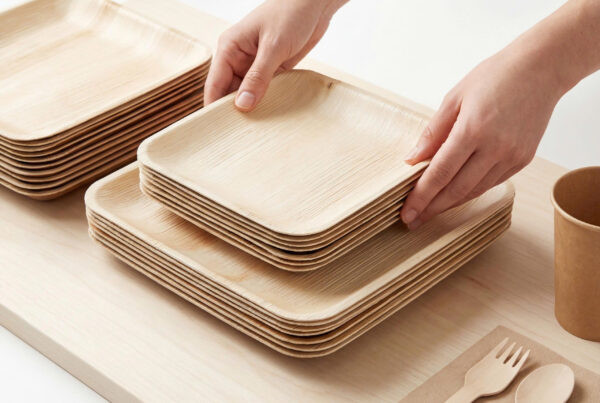
Sustainable palm leaf plates bring together function and form. Unlike thin paper plates or single-use plastic, palm leaf dinnerware is naturally rigid, attractive, and fully compostable. If you want disposables that look like real tableware and break down without leaving harmful residue, palm leaf is a top choice.
Here are the core benefits that matter to hosts and event planners:
- Natural and compostable: Made from fallen Areca palm leaves, these plates return to the earth far faster than plastic or coated paper.
- Sturdy and practical: Thick, cut-resistant construction holds heavy foods without sagging or leaking.
- Safe for food: BPA-free and chemical-free when produced responsibly.
- Elegant presentation: Organic texture and color make them suitable for formal events as well as casual gatherings.
- Microwave-safe: Many palm leaf plates can be reheated safely in a microwave for short periods.
How palm leaf plates are made and why that matters
Understanding the production process helps explain why palm leaf plates are both sustainable and durable. Plates are handcrafted from naturally fallen Areca palm leaves collected from plantations and local growers. Leaves are cleaned, pressed into molds under heat and pressure, and finished without synthetic coatings.
Because the leaves are a byproduct of existing palms and are not harvested live, the process avoids deforestation and supports circular use of natural materials. Handcrafting also reduces energy intensity compared to petrochemical-based plastics and allows for a beautiful, unique texture on each plate.
Real-world uses: Where sustainable palm leaf plates shine
Sustainable palm leaf plates are versatile. Here are common scenarios where they outperform other disposables and why hosts choose them:
- Weddings and formal events: Natural look with premium feel — guests often comment that they “didn’t realize they were disposable.”
- Catering and festivals: Durable for buffet service and heavy portions; compostable disposal simplifies cleanup for event organizers.
- Outdoor gatherings and BBQs: Resist moisture and grease better than thin paper plates.
- Restaurants and pop-ups: Upscale, sustainable branding without glassware breakage concerns.
- Camping and family meals: Lightweight, sturdy, and easy to pack while reducing single-use plastic waste.
What to compare when buying sustainable palm leaf plates
Not all palm leaf plates are created equal. When selecting the best option for your needs, compare these practical attributes:
- Thickness and weight: Thicker plates hold up better with heavy or saucy foods.
- Finish and edges: Smooth edges reduce the chance of leakage and make presentation cleaner.
- Certifications and sourcing: Look for brands that detail leaf sourcing and manufacturing practices.
- Microwave suitability: Confirm manufacturer guidance for reheating times and power settings.
- Compostability claims: Check whether the product is industrially compostable or suitable for home composting.
Comparison: Palm leaf plates versus common disposable options
| Feature | Palm Leaf Plates | Paper Plates (coated) | PLA/Bioplastic | Single-use Plastic |
|---|---|---|---|---|
| Compostability | High (natural, biodegradable) | Variable (coatings can block composting) | Compostable in industrial facilities | Not compostable |
| Durability (heat, grease) | Strong and leak-resistant | Weak when wet/greasy | Moderate; can soften with heat | Very durable but environmentally harmful |
| Visual appeal | High; natural, premium look | Low to moderate | Moderate; often plain white or clear | Low; utilitarian |
| Safety (chemicals, BPA) | Generally chemical-free | May contain inks/coatings | PLA is plant-based but requires processing | May contain additives and microplastics |
| Best use | Weddings, catering, upscale events | Casual single uses | Events with industrial compost facilities | Low-cost, short-term use (worst environmental option) |
How to choose the right size and shape
Consider the menu and presentation when choosing shapes and sizes. Round dinner plates (9–10 inches) work well for plated meals and formal service. Rectangular or oval platters are ideal for shared appetizers or desserts. Smaller plates (6–7 inches) serve as side or dessert plates.
Practical tip: buy a few samples of different sizes for a trial run before ordering large quantities for an event. This helps you validate portion sizes and ensures the plates meet the aesthetic you want.
Checklist for event buyers
- Confirm plate diameter and depth for plated entrees.
- Ask about weight-bearing capacity for heavy items like ribs or lasagna.
- Validate microwave instructions for reheating at the venue.
- Check packaging and delivery timelines for large orders.
Performance questions answered: leaks, microwave use, and strength
Common concerns are whether palm leaf plates leak, how they handle hot food, and whether they cut easily. Well-made palm leaf plates are naturally dense and resistant to leaks. Their pressed construction creates a barrier to grease and liquids that far outperforms thin paper plates.
Microwave use is generally safe for brief reheating at medium power. Always follow manufacturer’s guidelines for time and wattage. Plates are also cut-resistant compared to flimsy alternatives, so you can serve foods that require slicing without tearing the vessel.
Practical handling tips
- For very hot liquids (long-simmering soups), provide bowls or deeper vessels to avoid spills.
- When reheating, use medium settings and short intervals to avoid charring or excessive dryness.
- Store plates flat in a dry place to keep their natural texture intact.
Environmental impact and composting guidance
Because palm leaf plates are made from naturally fallen leaves without synthetic coatings, they have a notably lower environmental footprint than petroleum-based disposables. They biodegrade in compost environments and contribute organic matter back to soil.
Composting guidelines vary by municipality. If you have access to an industrial composting facility, palm leaf plates will typically break down quickly. For home composting, cut or break plates into smaller pieces to accelerate decomposition and maintain proper moisture balance in the pile.
How to compost palm leaf plates at home
- Remove any non-compostable matter (staples, stickers).
- Break plates into smaller pieces to increase surface area.
- Layer with green (food scraps) and brown (dry leaves, cardboard) materials.
- Keep the pile moist but not waterlogged and turn it periodically.
For venue or event organizers, labeling compost and landfill streams clearly encourages guests to dispose of used plates responsibly.
Common objections and how to address them
Some buyers worry about cost, consistency, and suitability for formal events. Palm leaf plates are often more expensive per unit than the cheapest paper or plastic options, but the premium look, durability, and environmental benefits often justify the investment—especially for weddings, corporate events, and branded hospitality where presentation matters.
If you’re concerned about uniformity, choose a reputable supplier that photographs and describes their finish and sizing. Handcrafted products have natural variations, which many hosts value as part of the aesthetic.
Responses to frequent concerns
- Cost: Calculate total event savings from reduced cleanup, lower breakage, and positive guest feedback to compare true value.
- Look: The organic texture often enhances table styling—pair with linen napkins and simple greenery for an elevated look.
- Durability: Test plates with heavier menu items prior to large events to ensure they meet your needs.
How Lericopez supports sustainable hosting
Lericopez focuses on premium palm leaf tableware handcrafted in Vietnam from naturally fallen Areca palm leaves. Our slogan, “Save the planet, host beautifully,” reflects a commitment to product quality and environmental stewardship. Lericopez products are 100% natural, compostable, BPA-free, chemical-free, sturdy, and leak-resistant—designed for events that value both presentation and planet-friendly choices.
Learn more about our sustainability practices and the environmental benefits of palm leaf plates on our sustainability page: Sustainability & Eco-Friendly Palm Leaf Plates.
Styling and serving tips for premium presentation
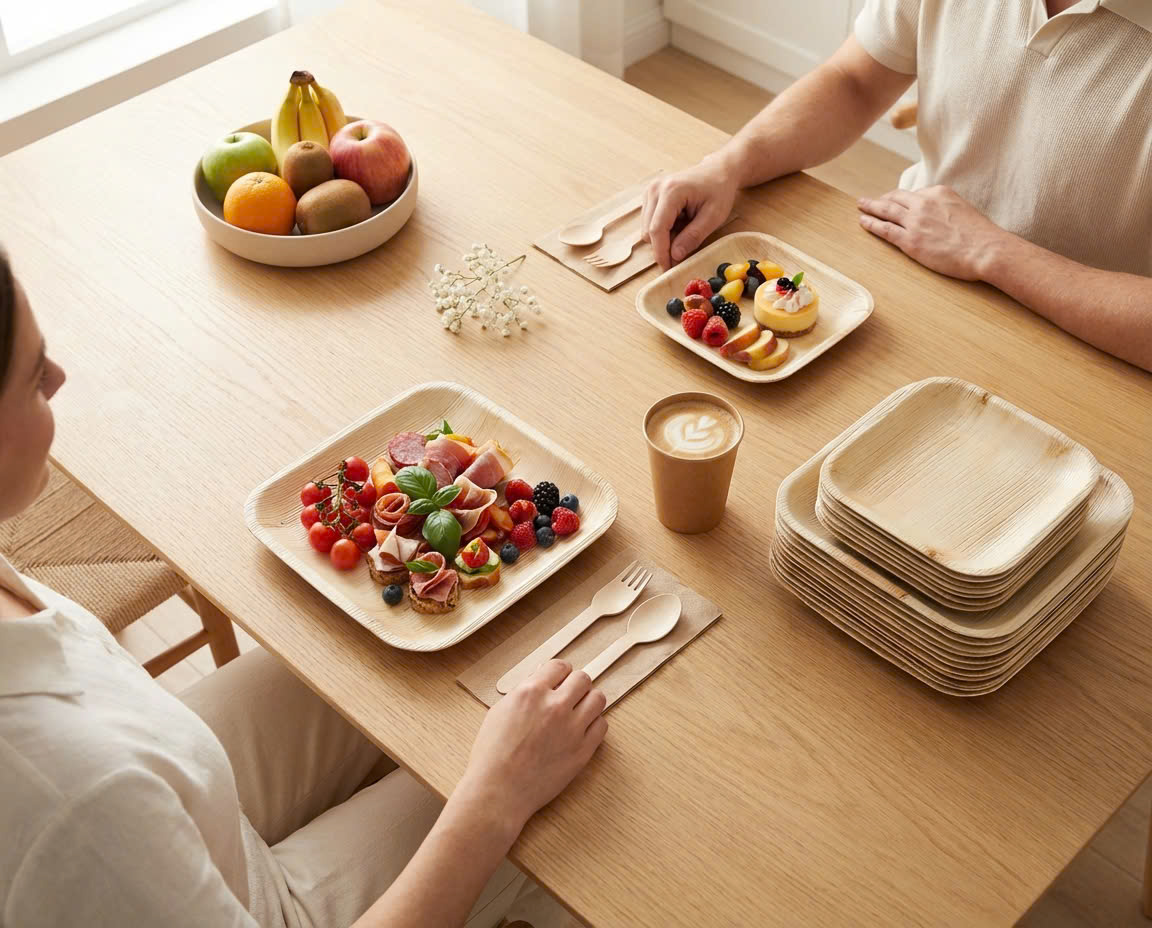
Use palm leaf plates to create an inviting table without heavy china. Their natural tones pair beautifully with wood chargers, linen napkins, and seasonal botanicals. Here are quick styling ideas:
- Weddings: use a round palm leaf plate under a salad course, then stack a larger dinner plate beneath for a layered look.
- Buffets: label stations with simple kraft or recycled paper tags to emphasize your sustainable choices.
- Picnics and camping: combine with bamboo cutlery and cloth napkins for a refined outdoor meal.
Presentation checklist
- Match plate size to portion sizes to avoid overcrowding.
- Use garnish and natural elements (herbs, citrus slices) to complement the plates’ organic look.
- Consider disposable cutlery made from other natural materials to keep the styling cohesive.
Practical purchasing guide and order planning
Ordering for events requires planning. Follow these steps to calculate quantities and timing:
- Estimate guest count and average plates per person (2–3 plates per guest for multi-course events; 1–1.5 for buffet single-plate service).
- Order 10–15% extra to account for unexpected guests or breakage.
- Request samples when ordering large quantities to confirm size and finish.
- Confirm lead times, shipping, and packaging to align with event dates.
For regular restaurant or catering needs, set up a reorder schedule to maintain consistent stock and reduce last-minute rush fees.
Care, storage, and responsible disposal
Store palm leaf plates flat in a cool, dry area away from direct sunlight to avoid warping. Keep them in original packaging until use to prevent dust accumulation. After use, encourage composting where available. If a composting facility is not an option, small home compost piles can handle palm leaf plates when cut into pieces and balanced with brown materials.
Comparison checklist to decide if palm leaf plates are right for you
- Do you value aesthetics and guest experience? If yes, palm leaf plates enhance presentation.
- Do you want a compostable option that avoids plastic and coated paper? Palm leaf plates are a strong match.
- Are you serving heavy, saucy foods? Choose thicker plates and test before large events.
- Do you have access to composting (home or industrial)? Compostability improves with facility access, but home composting is feasible with preparation.
Where to find inspiration and product photos
For styling ideas and real-life setups, follow Lericopez on Pinterest for curated boards and product photography: Lericopez on Pinterest. You can also visit Lericopez’s Facebook page for updates, customer photos, and event examples.
Frequently asked questions
Are sustainable palm leaf plates heat-resistant?
Yes. Quality palm leaf plates are heat-resistant and suitable for short microwave use at medium power, but always follow the manufacturer’s instructions for reheating times and power settings. Avoid prolonged exposure to very high heat.
Can palm leaf plates be composted at home?
Yes. Palm leaf plates can be composted at home if broken into pieces and mixed with other compost materials. Home composting works best when you maintain proper moisture and turn the pile regularly. For faster breakdown, use an industrial composting facility when available.
Will palm leaf plates leak with saucy foods?
High-quality palm leaf plates are naturally dense and leak-resistant. For very liquid-based dishes, choose deeper bowls or test plates in advance. Thickness and manufacturing quality influence leak resistance.
Do palm leaf plates contain chemicals or plastics?
Authentic palm leaf plates are made without synthetic coatings and are free from BPA and plastics when produced by reputable suppliers. Look for clear product information about materials and processing.
How many plates should I order for an event?
For plated multi-course dinners, plan 2–3 plates per guest. For buffet-style events, 1–1.5 plates per guest is often sufficient. Add 10–15% extra to cover unexpected needs.
Final thoughts and next steps
Sustainable palm leaf plates combine beauty and performance in a way few disposable products can match. They reduce reliance on plastics, offer a premium guest experience, and compost back into the soil. For event planners, caterers, restaurants, and eco-conscious hosts in the United States, they provide a practical path to greener hospitality.
If you want to explore premium options and learn more about environmental practices, visit Lericopez’s Sustainability & Eco-Friendly Palm Leaf Plates page for detailed information and sourcing transparency: Learn about Lericopez sustainability. For visual inspiration and styling ideas, check out Lericopez on Pinterest: Pinterest, and follow our Facebook page for real event photos and customer stories.
Ready to host beautifully while protecting the planet? Try a sample pack first, test it with your menu, and you’ll likely discover that palm leaf plates can make sustainable entertaining both elegant and effortless.
Article sources and notes: This guide reflects best practices for choosing and using palm leaf tableware based on material properties and event experience. For more detail on Lericopez’s environmental commitments and product care, see our sustainability page linked above.