Premium palm leaf plates: beautiful, compostable tableware for modern hosting
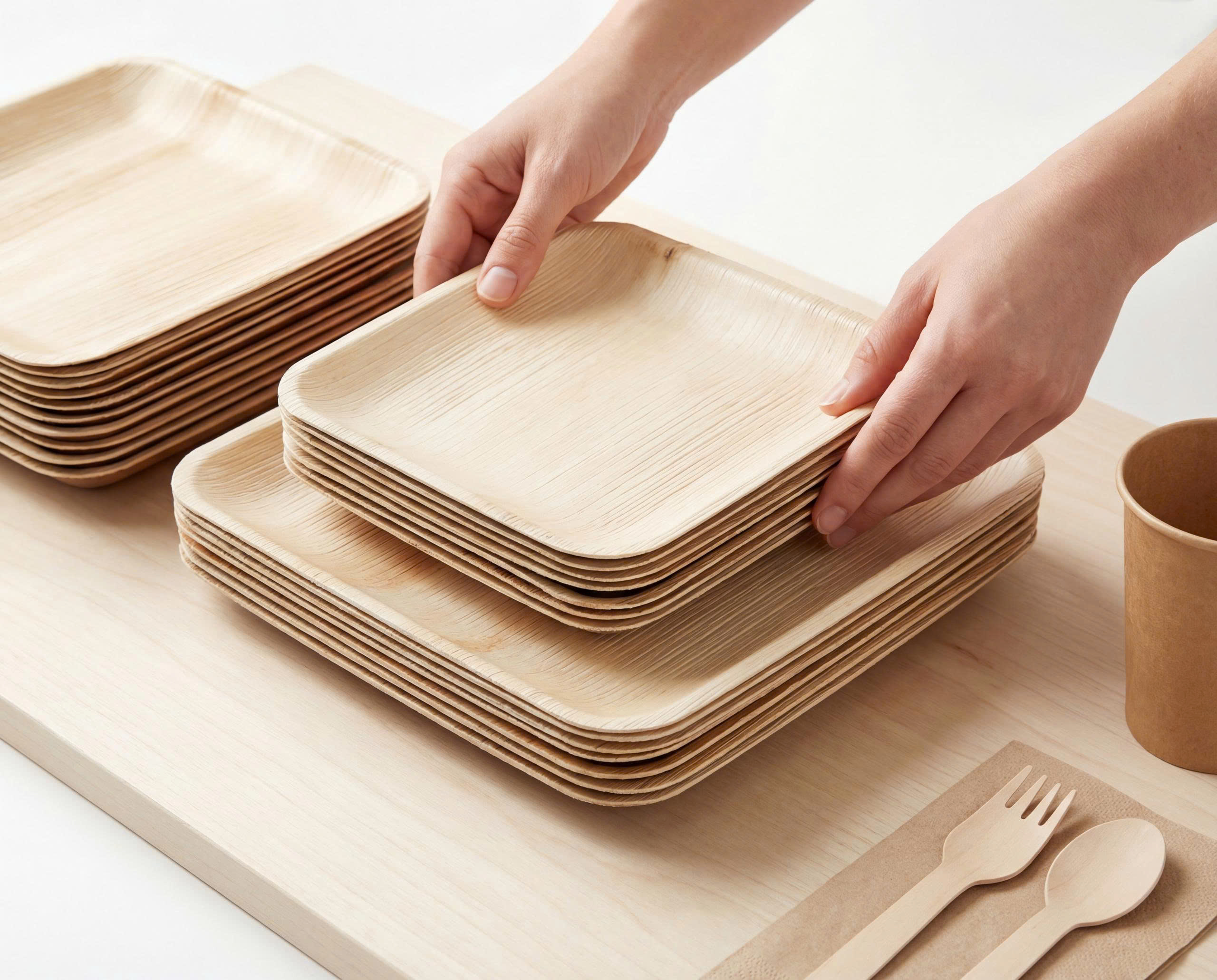
Looking for dependable, elegant disposable dinnerware that doesn’t cost the planet? Premium palm leaf plates provide a natural, durable, and compostable alternative to plastic and paper plates. In this guide you’ll learn what makes these plates strong enough for catering and backyard barbecues, stylish enough for weddings, and responsible enough for everyday eco-conscious hosting.
Quick answer
Premium palm leaf plates are handcrafted from naturally fallen Areca palm leaves, offering sturdy, leak-resistant, chemical-free, and fully compostable dinnerware. They combine the convenience of disposables with the presentation and performance of durable tableware—ideal for events, restaurants, and mindful households.
Why choose premium palm leaf plates?
Many people choose premium palm leaf plates because they want disposable convenience without plastic pollution or single-use paper waste. These plates are 100% natural, free from BPA and harsh chemicals, and designed to break down safely after use. Beyond sustainability, palm leaf plates are attractive: each piece carries natural grain and color variation that elevates presentation without extra effort.
For hosts, caterers, or restaurants, palm leaf plates offer practical benefits. They are sturdy and cut-resistant, which means they hold heavy dishes without bending or leaking. For outdoor events like BBQs, camping, and festivals, this combination of durability and compostability is a major performance win.
How premium palm leaf plates are made and why that matters
Premium palm leaf plates are produced from Areca palm leaves that fall naturally. Craftspeople collect, clean, and heat-press the leaves into plates without glues, dyes, or chemical binders. Because the process uses only the fallen leaf material, it doesn’t harm living palms or require additional cultivation, which supports ecological stewardship and rural livelihoods where the craft is traditional.
The natural manufacturing approach means the plates are fully compostable and free from synthetic coatings. That makes them safe for backyard composting or municipal organic collection where accepted. It also preserves the unique wood-grain look of each plate—no two pieces look exactly the same, which is part of the premium appeal.
What to expect from the material and finish
Expect a naturally smooth, slightly textured surface with subtle color variation from light beige to warm honey tones. The plates are heat-pressed to seal fibers and increase strength; this process creates a firm, leak-resistant surface without adding plastic or resin layers. Because the finish is natural, mild staining from sauces can occur, but this does not affect function.
Performance and practicality: what premium palm leaf plates can handle
Performance is a top concern when replacing plastic or paper disposables. Premium palm leaf plates are built to perform in real settings:
- Sturdy and rigid: They hold heavy mains like lasagna, ribs, or layered salads without sagging.
- Leak-resistant: When properly pressed and cured, the plates resist liquids long enough for a meal service.
- Cut-resistant: You can slice food on the plate without it tearing, which matters for plated buffets and family-style dining.
- Microwave-safe: Most premium palm leaf plates tolerate short reheating times; always check manufacturer guidance for longer reheating.
These performance strengths make palm leaf plates a versatile choice for weddings, catering, holiday dinners, outdoor parties, food trucks, and restaurants that want an elevated disposable option.
Practical tips for service and use
To maximize performance, follow a few practical steps: avoid prolonged soaking in very hot liquid, don’t use for long-term storage of high-moisture food, and allow the plate to cool briefly if microwaving hot food to avoid rapid condensation. For buffet service, place condiments in small bowls or on sturdier platters to reduce direct exposure to greasy or very wet foods.
Design and presentation: host beautifully with natural flair
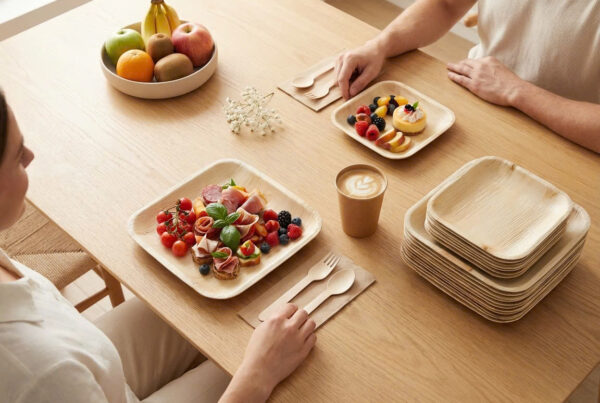
One of the biggest advantages of premium palm leaf plates is their presentation. The organic texture and warm tones pair well with rustic, boho, modern, and farmhouse aesthetics. Because each plate is unique, they create a handcrafted, intentional look that elevates plated presentations without china.
Use palm leaf plates as the visual foundation for place settings—paired with simple linen napkins, twine, and fresh greenery, they deliver an upscale, eco-friendly table that guests notice. For caterers and event planners, the plates remove the need to wash large quantities of rental china while keeping presentation standards high.
Styling ideas for occasions
- Weddings: Mix sizes for appetizers, entrees, and dessert with matching palm leaf bowls for soups and sides.
- BBQs and picnics: Stack durable plates by the serving station for easy self-service.
- Catering: Use larger oval platters for main courses and circular plates for salads to create a consistent visual flow.
Sustainability explained: compostability, sourcing, and life cycle
Sustainability is central to why people buy premium palm leaf plates. They are made from a renewable byproduct (fallen Areca palm leaves) and require minimal processing. After use, they can be composted in industrial or well-managed home compost systems, returning nutrients to the soil rather than lingering in a landfill as plastic does.
If you want a deeper dive into environmental benefits and Lericopez’s approach to eco-friendly tableware, read our sustainability overview here: Lericopez sustainability.
Composting and disposal guidance
Compostability depends on local systems. For backyard composting, cut or tear large plates into smaller pieces to speed breakdown, then mix with green (nitrogen-rich) materials. In municipal compost programs, check local acceptance rules—many accept untreated palm leaf products. If composting isn’t available, palm leaf plates still biodegrade much faster than plastic, though ideal disposal is organic recycling.
How to choose the right palm leaf plates for your event
Choosing the correct palm leaf plate comes down to size, shape, thickness, and the type of food you’ll serve. Below are practical criteria and a mini checklist to help you decide.
Consider the following:
- Size: Choose 6–7 inch plates for appetizers and desserts, 9–10 inch for entrees, and larger oval or rectangular platters for family-style serving.
- Shape: Round plates suit formal plating; rectangular/oval plates work well for grazing spreads or plated mains.
- Thickness: Thicker plates handle heavier foods and sauces better. Look for plates labeled as heavy-duty if serving burgers, ribs, or saucy curries.
- Edge depth: Deeper bowls or plates are better for liquids like soups and saucy dishes.
Mini checklist for ordering:
- How many guests? Add 10–15% extra for seconds and unexpected needs.
- What menu items are saucy or heavy? Plan for heavier plates and bowls.
- Will you compost after use? Confirm local composting or plan for home composting.
Comparison: palm leaf plates versus common disposable options
Use the table below to compare common disposable choices and make a purchase decision based on sustainability, presentation, and performance.
| Feature | Palm Leaf Plates | Paper Plates | Plastic Plates | Bamboo Plates |
|---|---|---|---|---|
| Material | Areca palm leaves, natural | Paper (often bleached/coated) | Petroleum-based plastics or PLA | Bamboo fiber or pressed bamboo |
| Compostability | Generally fully compostable | Sometimes compostable; coatings may prevent it | Not compostable; some PLA variants are industrial-only | Often compostable; check for binders/coatings |
| Durability | High—cut and leak resistant | Low—soft when wet | High but brittle in heat | Medium—can be sturdy, varies by manufacture |
| Presentation | Premium, natural, unique grain | Basic, disposable look | Often cheap-looking unless premium plastic | Natural look but more uniform than palm leaf |
| Environmental impact | Low when composted; renewable source | Variable; depends on coatings and sourcing | High—persistent pollution | Low to medium; depends on adhesives/coatings |
Common concerns and honest answers
Buyers often have practical questions about palm leaf plates. Here are straightforward answers to common concerns.
Will the plates leak or fall apart with saucy dishes?
High-quality palm leaf plates are heat-pressed to be leak-resistant for normal meal service. Very long exposure to liquids can cause breakdown, so avoid storing meals for hours on the plate. For very saucy dishes, serve with a liner bowl or in deeper palm leaf bowls.
Are the plates safe for hot foods and microwaving?
Most premium palm leaf plates tolerate short microwave reheating. They are chemical-free and do not release toxins under standard use. For extended microwaving, check product guidance—brief reheating of plated foods is generally safe.
Will the natural look fit my formal event?
Yes. The organic texture can enhance formal tables when paired with simple linens and coordinated decor. Many wedding stylists and event planners prefer palm leaf plates precisely because they provide a refined, handcrafted aesthetic.
How to store, compost, and best-use palm leaf plates
Proper storage and disposal prolong product life and ensure end-of-life benefits. Store plates flat in a cool, dry place to avoid warping. Avoid stacking when wet. For composting, break up plates into smaller pieces to accelerate decomposition in backyard bins. If you have access to a municipal composting program, verify acceptance first, then deposit used plates with other organics.
For reuse in low-impact settings, palm leaf plates can sometimes be rinsed and used again, but they are designed as compostable disposables—reusing them repeatedly can reduce compostability and is not recommended as the primary purpose.
Who should choose premium palm leaf plates?
Choose premium palm leaf plates if you want a disposable option that prioritizes sustainability without sacrificing presentation or performance. Typical customers include:
- Event planners and caterers who need attractive single-use solutions.
- Couples planning eco-conscious weddings or rehearsal dinners.
- Restaurants and food trucks seeking compostable serviceware.
- Hosts who value convenience and a natural, elegant table setting.
If you frequently serve wet or very greasy foods and lack composting options, consider alternatives only if long-term compostability is less important than storage and reuse.
What to compare when shopping: quick checklist
- Source material and manufacturing process (fallen leaves vs farmed palms).
- Thickness or weight class—choose heavy-duty for mains and lighter for desserts.
- Dimensions and edge depth for your menu.
- Certifications or third-party compostability claims if available.
- Packaging—recyclable or minimal packaging supports sustainability goals.
Real-life examples and use cases
Here are concise examples showing how premium palm leaf plates perform across different events:
- Wedding brunch: Use 9-inch round plates for mains and 6-inch plates for pastries. Guests appreciate the natural look and the couple avoids rental dishwashing and return logistics.
- Outdoor catering: Palm leaf plates hold pulled-pork sandwiches and coleslaw without bending, speeding service and reducing cleanup time.
- Camping or glamping: Lightweight and compostable, palm leaf plates reduce plastic waste at remote sites while offering a rustic aesthetic for outdoor meals.
Comparison summary and decision guidance
When you compare performance, presentation, and environmental impact, premium palm leaf plates are a strong choice for anyone who wants disposable convenience without traditional disposable drawbacks. They sit between paper (lower performance) and reusable china (higher washing footprint), offering a pragmatic middle ground for sustainable hosting.
Connect with Lericopez and see examples
Lericopez specializes in premium palm leaf plates handcrafted in Vietnam with an emphasis on sustainable sourcing and elegant presentation. See styled product photos and inspiration on our Pinterest profile: Lericopez on Pinterest. You can also follow Lericopez on Facebook for updates, event styling tips, and customer stories.
For our environmental approach and materials explanation, visit our sustainability page: Sustainability at Lericopez.
Frequently asked questions
Are premium palm leaf plates safe for food?
Yes. Properly made palm leaf plates are free from BPA, melamine, plastic coatings, and harmful chemicals. They are a safe option for serving hot and cold foods.
Can I microwave food on palm leaf plates?
Short reheating times in a microwave are generally safe, but avoid long or high-power heating cycles. If reheating liquids for several minutes, transfer to a microwave-safe container first.
How long do palm leaf plates take to compost?
Composting time varies with conditions. In a hot, actively managed compost pile, plates can break down in a few months. In cooler or drier conditions, decomposition will take longer. Cutting plates into smaller pieces speeds the process.
Do palm leaf plates work for greasy foods?
Yes—palm leaf plates resist grease better than standard paper plates. For very greasy or oily items, a heavier plate or a liner bowl helps prevent saturation during extended service.
Are palm leaf plates more expensive than paper or plastic?
Unit prices can be higher than the cheapest paper or plastic plates, but the overall value includes superior presentation, reduced cleanup costs, and lower environmental impact. For weddings, catering, and premium events, many clients find the tradeoff worthwhile.
Final considerations and next steps
Premium palm leaf plates give hosts and businesses a way to reduce single-use plastic while preserving presentation and performance. If you prioritize compostability, elegant styling, and practical durability, they are an excellent option. Before ordering, review size and thickness needs, confirm composting plans, and consider ordering a sample pack to test appearance and performance with your menu.
Learn more about Lericopez’s approach to eco-friendly tableware here: Lericopez sustainability, and follow our inspiration boards on Pinterest. For social updates and community stories, check Lericopez on Facebook.
If you’d like specific product recommendations for a wedding, catering order, or outdoor event, include your guest count and menu and we’ll outline the best sizes and quantities to meet your needs.